
Micro Pipettors
Shop micro pipettors for repeatable liquid handling in Australian laboratories. Compare WATSON NEXTY and NEXTY-S micropipettes alongside Mi-Pette laboratory pipettors, with single-channel and multi-channel options, compatible tips and stands.
Choose variable, fixed or multi-channel pipettors
- Variable volume pipettors let you adjust the dispensing volume within the model’s specified range.
- Fixed volume pipettors suit repeated transfers at one set volume.
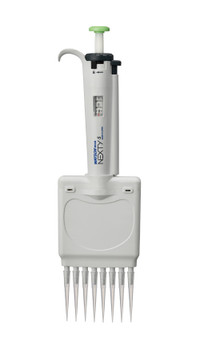
- Multi-channel pipettors provide eight-channel options for repeated transfers across compatible plate formats.
- Autoclavable variable volume pipettors suit workflows requiring sterilisation; follow the selected model’s autoclaving instructions.
For autoclaving, distinguish a fully autoclavable model from one with removable autoclavable lower parts. Follow the manufacturer’s procedure for the exact instrument.
WATSON NEXTY features and volume ranges
WATSON NEXTY and NEXTY-S pipettors use colour-coded volume identification. Variable-volume models feature a triple-speed turbo dial for larger adjustments and a separate fine-adjustment dial. NEXTY-S models use a slim body and thin push button; button shape and autoclaving capability vary across the NEXTY range. Check the selected model for its exact features and cleaning instructions.
The NEXTY-S single-channel range includes seven volume ranges spanning 0.2–5000 µL. Eight-channel models cover 1–10 µL, 10–100 µL and 20–200 µL. Mi-Pette options include a 1–10 mL model for larger transfers. Check accuracy, precision and tip compatibility for your required working volume.
Tips, storage and ordering
Choose compatible micro pipettor tips and check the listing for included tips and pack quantities. Choose tips that are specified for your exact pipettor model and volume range. Do not assume that matching capacity establishes compatibility, particularly with 5 mL and 10 mL instruments. The NEXTY six-place carousel stand helps keep pipettors organised. NEXTY pipettors carry the stated two-year guarantee from purchase; confirm the applicable warranty for other brands.
Complete your setup with laboratory glassware and laboratory equipment. Browse current discounts or contact our team for help choosing a micropipette.
- Product
- Qty in Cart
- Quantity
- Price
- Subtotal
-


Variable Volume 8 Channel Pipette, NEXTY-S, 20~200ul (With Pipette Tips)
WATSON
$449.00 +GSTThe next generation of pipette which features the latest in smooth ergonomic design, comfort, and ease of use. These "S" pipettors are made from high-grade plastics and ultra light weight metal...$449.00 +GST -
Variable Volume 8 Channel Pipette, NEXTY-S, 10~100ul (With Pipette Tips)
WATSON
$449.00 +GSTThe next generation of pipette which features the latest in smooth ergonomic design, comfort, and ease of use. These "S" pipettors are made from high-grade plastics and ultra light weight metal...$449.00 +GST -


Autoclavable Variable Volume Single Channel Pipettor, NEXTY, 500~5000ul (With Pipette Tips)
WATSON
$399.00 +GSTThe next generation of pipette which features the latest in ergonomic design, comfort, and ease of use. These pipettors are made from high-grade fully autoclavable plastics and metal internal...$399.00 +GST -


Autoclavable Variable Volume Single Channel Pipettor, NEXTY, 100~1000ul (With Pipette Tips)
WATSON
$399.00 +GSTThe next generation of pipette which features the latest in ergonomic design, comfort, and ease of use. These pipettors are made from high-grade fully autoclavable plastics and metal internal...$399.00 +GST -


Autoclavable Variable Volume Single Channel Pipettor, NEXTY, 20~200ul (With Pipette Tips)
WATSON
$399.00 +GSTThe next generation of pipette which features the latest in ergonomic design, comfort, and ease of use. These pipettors are made from high-grade fully autoclavable plastics and metal internal...$399.00 +GST -


Variable Volume 8 Channel Pipette, NEXTY-S, 1~10ul (With Pipette Tips)
WATSON
$449.00 +GSTThe next generation of pipette which features the latest in smooth ergonomic design, comfort, and ease of use. These "S" pipettors are made from high-grade plastics and ultra light weight metal...$449.00 +GST
FAQs
What is a micro pipette, and how is it different from a standard pipette?
A micro pipette is a precision instrument designed to measure and dispense very small liquid volumes, typically in microlitres. Unlike a standard pipette, a micropipette pipette uses disposable tips and a piston mechanism to achieve highly accurate, repeatable micro-volume transfers.
What types of micropipettes are available?
Our range includes fixed-volume pipettors, adjustable-volume pipettors, single-channel models for general use and multi-channel pipettors for high-throughput plate work.
What volume ranges do micropipettes cover, and how do I choose the correct one?
Typical ranges span from 0.2 µL up to 5,000 µL. Select a micro pipette where your target volume sits in the middle of the instrument’s range for the best accuracy.
What tip types are compatible, and how do I choose the right one?
Tips vary by size, sterility, filter type and fit. Choose tips that match your pipettor’s designated volume range, ensure a secure seal and consider filter tips when working with volatile, radioactive or contamination-sensitive samples.
What is the correct technique for using a micropipette?
Use a smooth plunger motion, pre-wet the tip, keep the pipettor vertical when aspirating and avoid touching the tip to vessel walls. Proper technique ensures accuracy and prevents contamination.
How often should micropipettes be calibrated and maintained?
Most pipettors should be calibrated every 6–12 months, depending on usage. Regular cleaning, inspection of seals and O-rings and prompt servicing help maintain accuracy.
What common mistakes occur when using micropipettes, and how can I avoid them?
Mistakes include pipetting at an angle, releasing the plunger too fast, using the wrong tip size or working outside the pipettor’s volume range. Follow manufacturer guidelines and practice consistent technique to minimise errors.
Can micropipettes be used with viscous or volatile liquids?
Yes, but special considerations apply. Use reverse-pipetting for viscous samples and filtered tips for volatile or hazardous liquids. Slow, controlled aspiration helps maintain accuracy.
How should micropipettes be stored when not in use?
Store pipettors upright on a dedicated stand or carousel to prevent contamination and protect the internal piston mechanism.